Smoko Machine
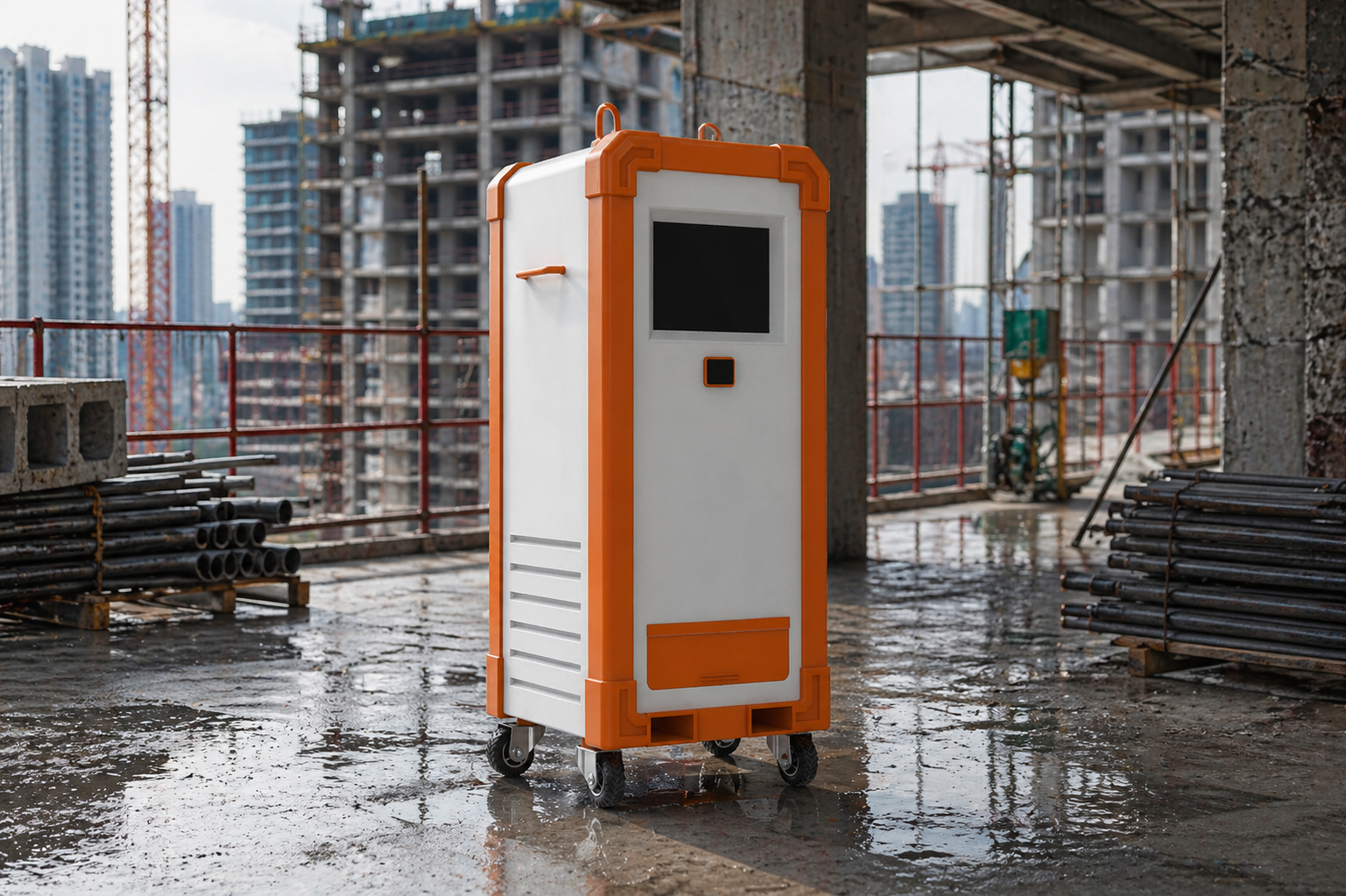
Portable battery-powered vending
Vending that goes where fixed machines can’t.
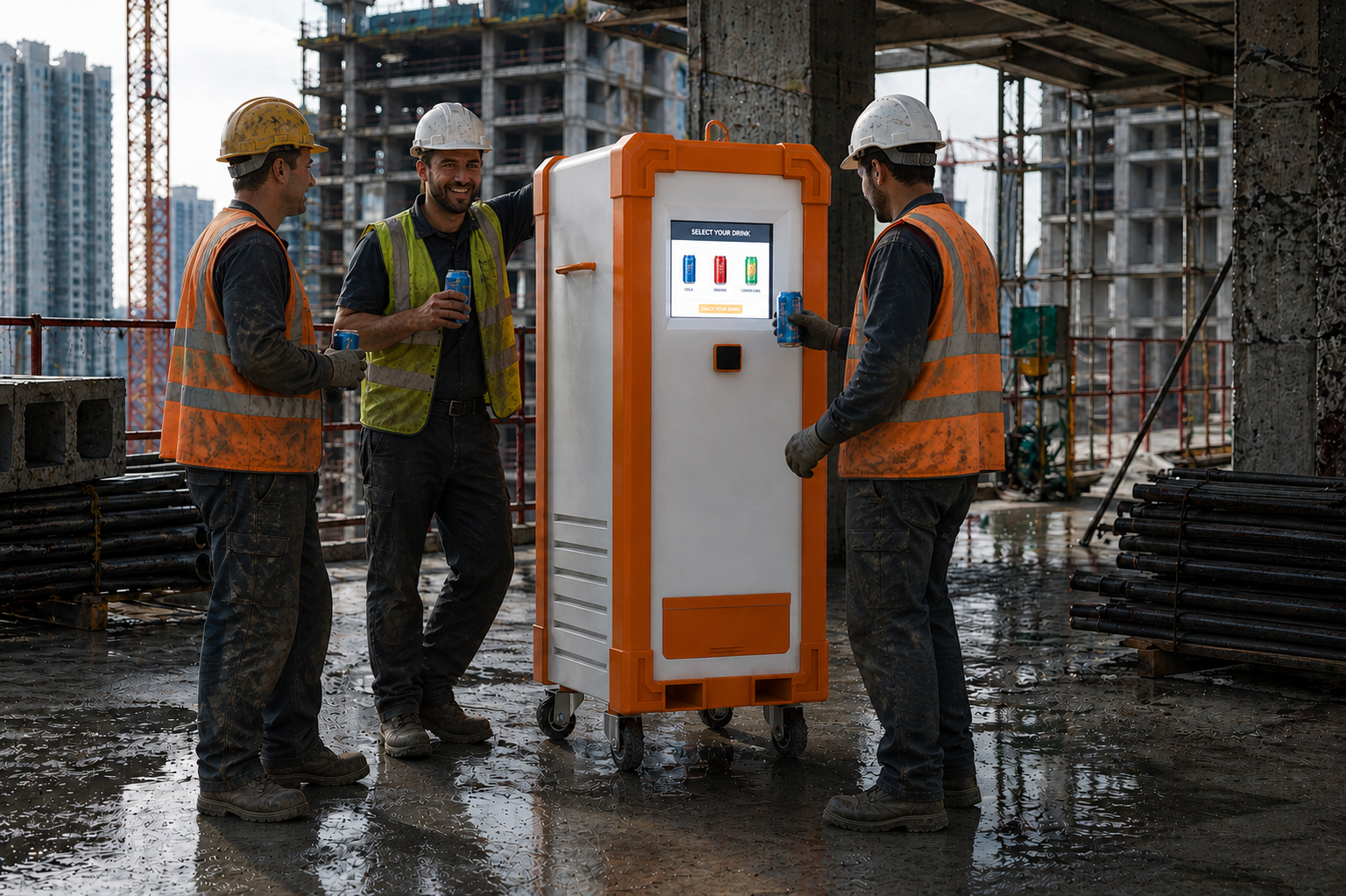
Smoko-Machine is a portable refrigerated vending concept designed for construction sites, events, temporary works, and high-footfall locations where permanent infrastructure is impractical or unavailable.
A Vending Machine for the Whole Construction Site, not Just the Site Office
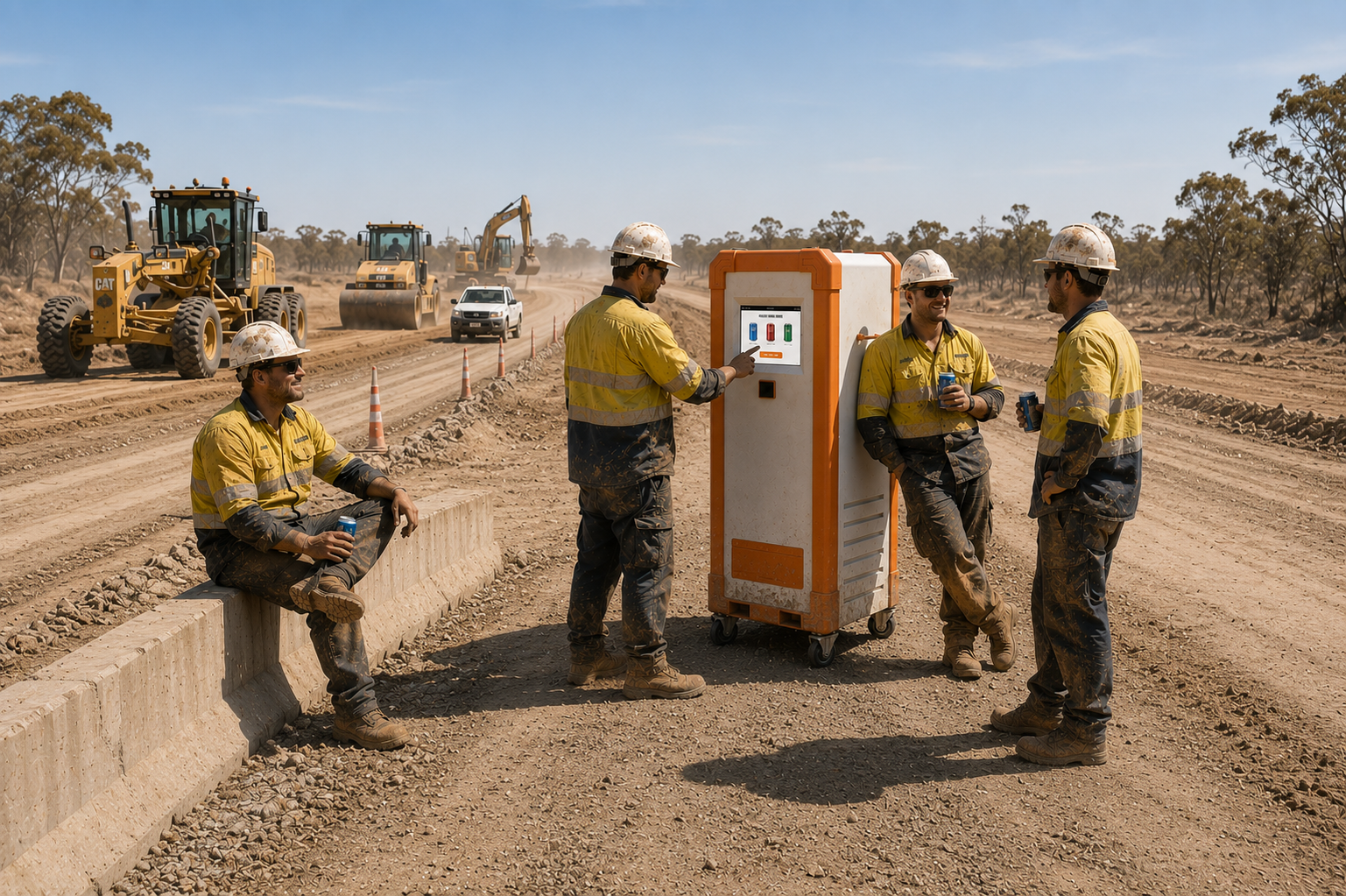
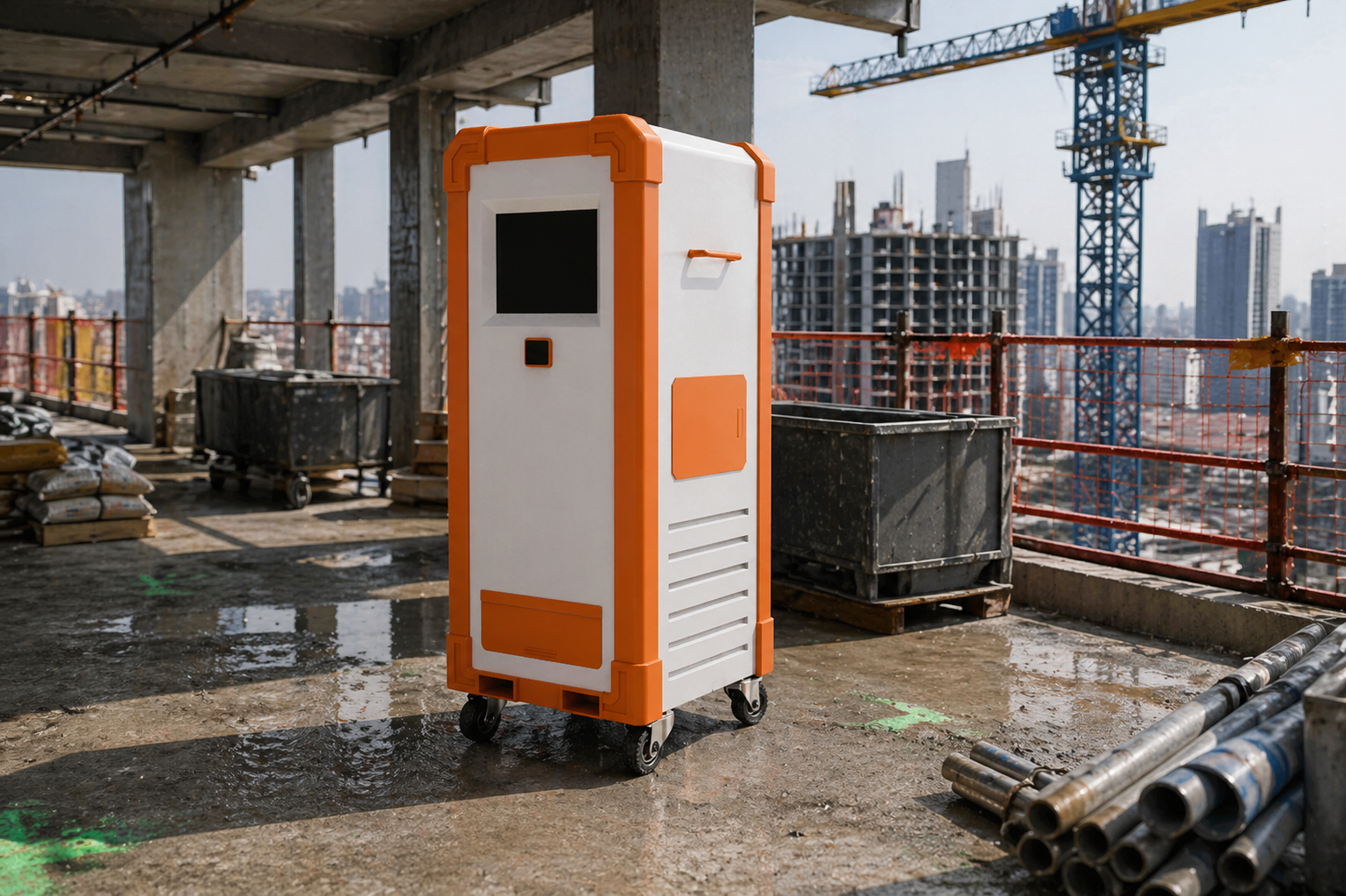
Smoko-Machine is built around a simple idea: take refrigerated vending to the places where the worksite is, be it on the 12th floor of an incomplete tower, in the excavation for a basement car park, alongside a slab pour on a tight program, on the shoulder of a live road reconstruction, beside a long run of kerb and channel, out at a remote pipeline trench, or next to the crib hut on a dusty greenfield site.
Features:
Battery-powered.
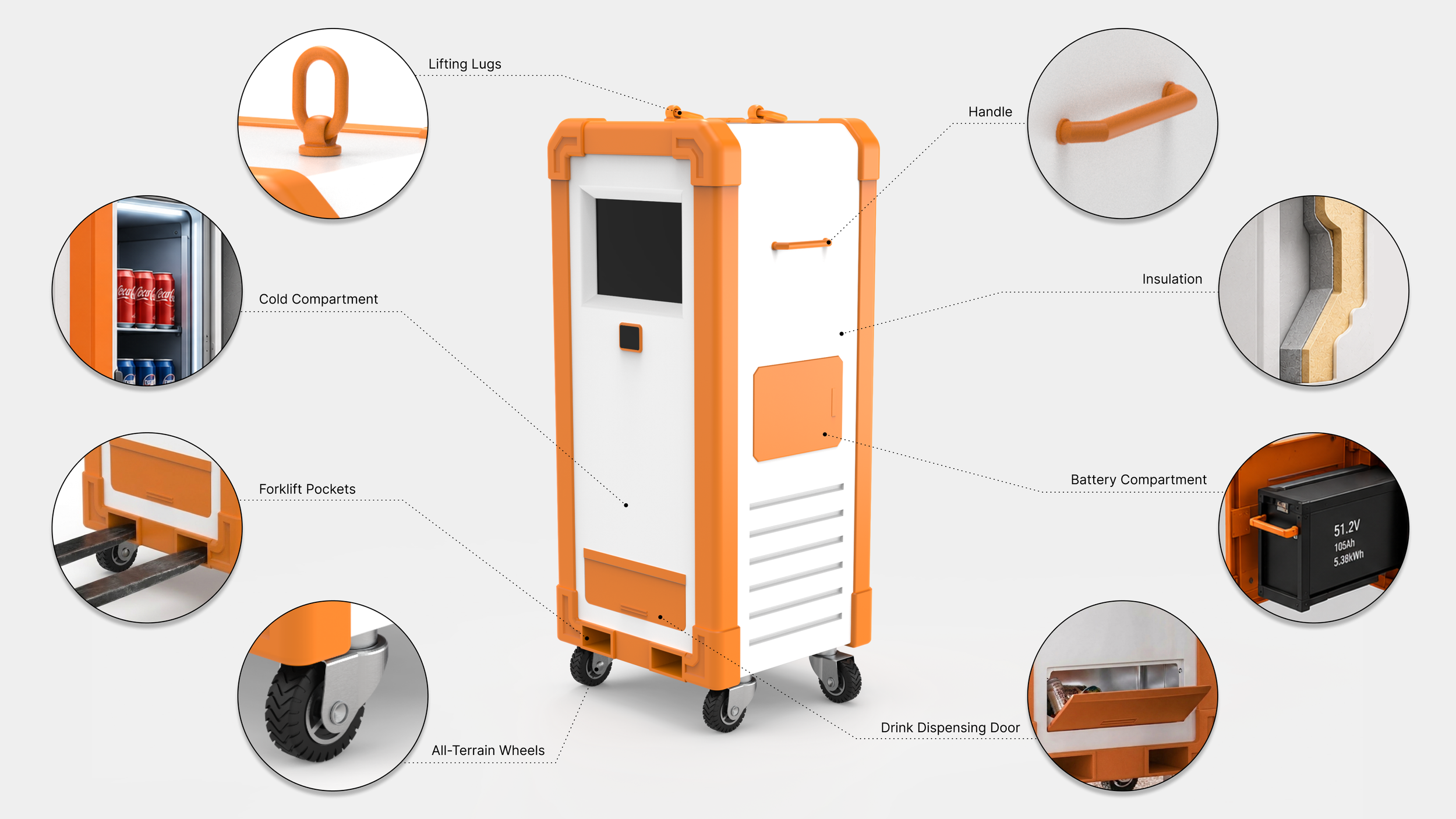
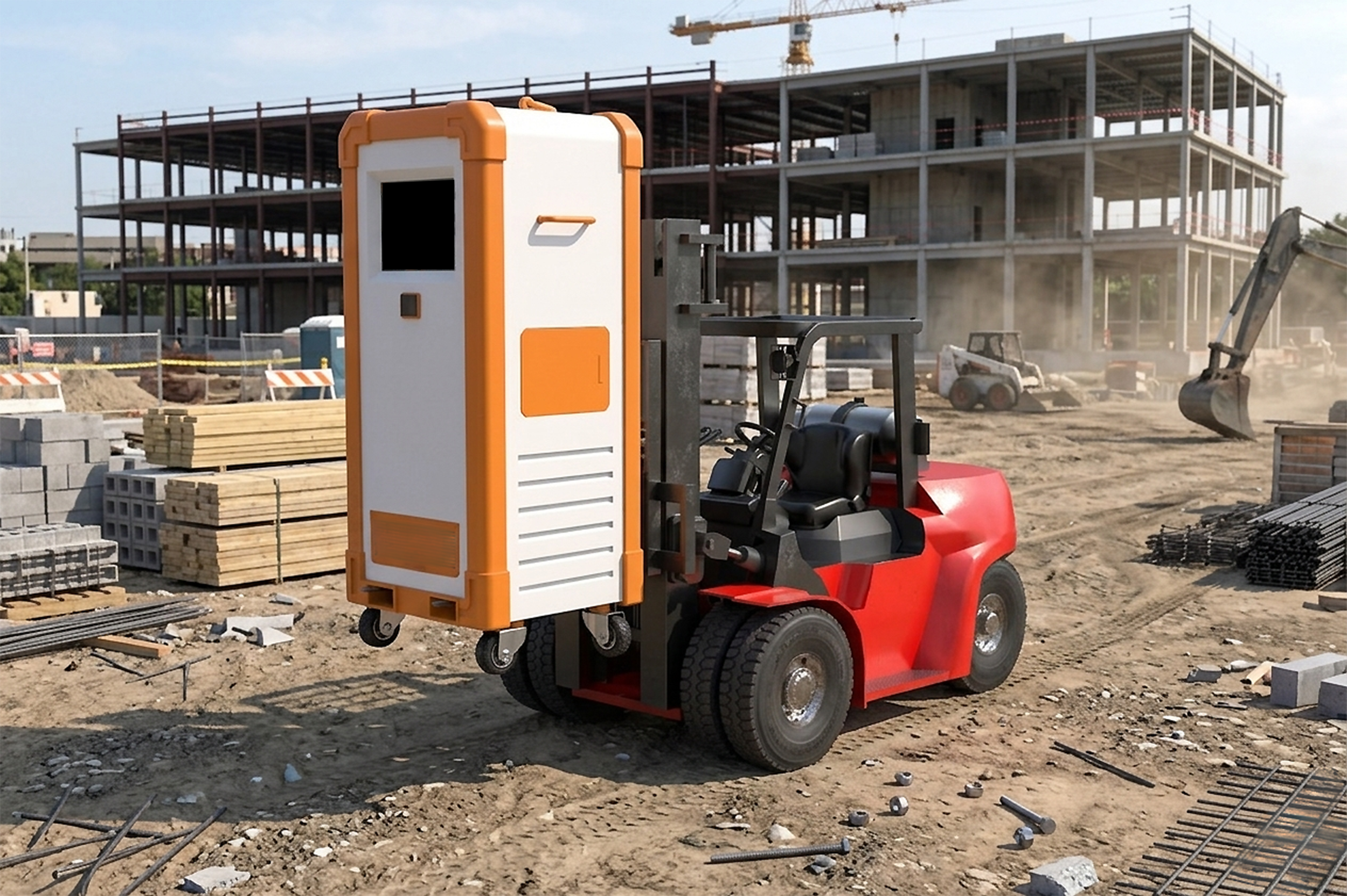
I-bolts and forklift pockets for maximum portability.
Built for temporary and mobile environments.
Built to survive real-world site conditions.
The Tech that Makes Mobile Vending Possible
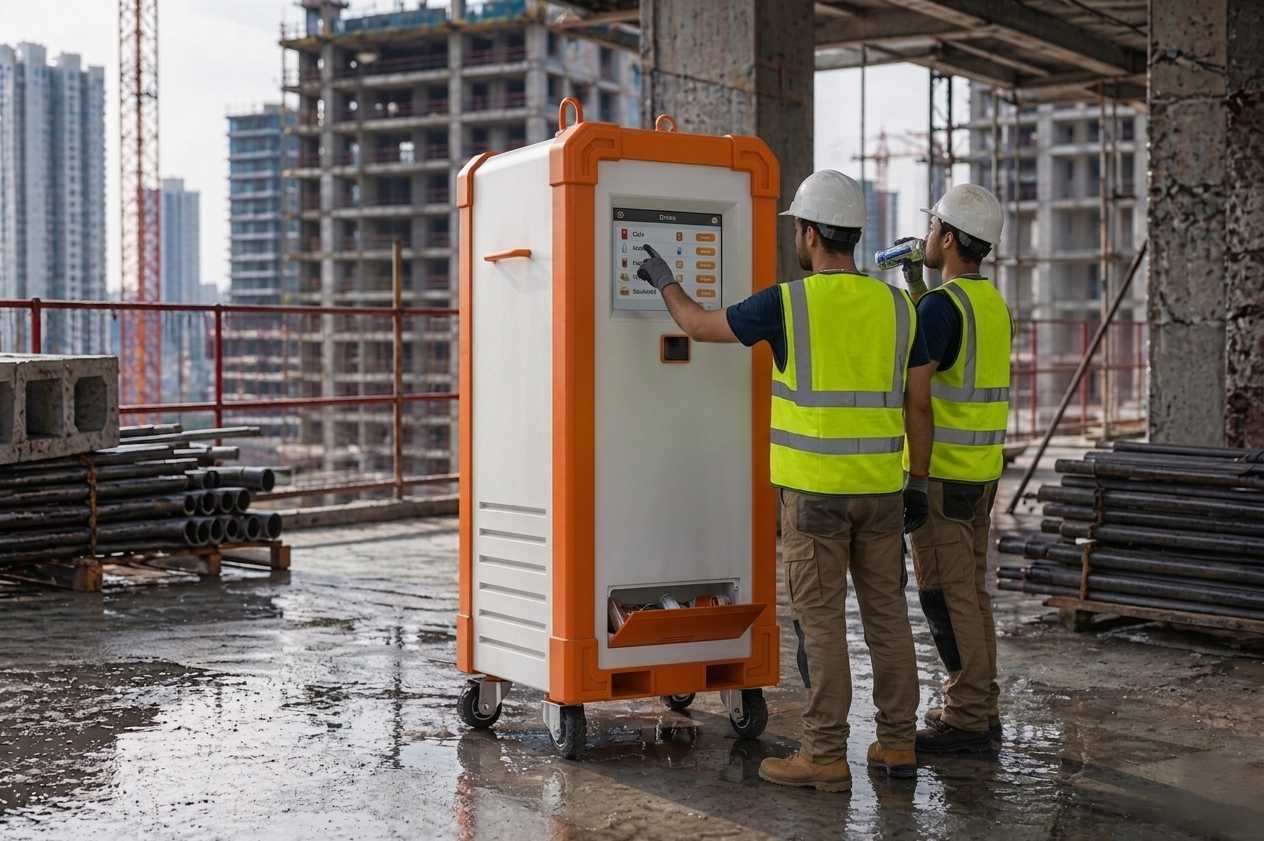
Smoko-Machine brings together new battery systems, better insulation, robust refrigeration hardware and smart cold‑preservation design so refrigerated vending doesn’t have to stay bolted to one spot.
Smoko-Machine brings together new battery systems, better insulation, robust refrigeration hardware and smart cold‑preservation design so refrigerated vending doesn’t have to stay bolted to one spot.
Recent advances in compact lithium battery technology mean you can now run efficient refrigeration from a mobile power pack, not a fixed mains supply.
Modern battery power
High‑density batteries provide meaningful runtime between swaps, even on hot days and heavy-usage shifts.
Built‑in management systems monitor voltage and temperature to protect the cells and keep the compressor running in its most efficient range.
A modular pack design lets the machine be hot‑swapped quickly, so it can stay in service while batteries are cycled through charging.
Advanced insulation and cabinet design
The cold cabinet is built around materials and detailing that keep the cold in and the heat out, not just a basic metal box.
High‑performance insulation panels and thoughtful sealing mean less heat leak from the environment into the product zone.
Door and hatch design focuses on tight gaskets, short openings and minimal exposed metalwork that could conduct heat into the cabinet.
Internal layout is designed to avoid “hot corners”, so the entire product bay cools evenly and recovers quickly after access.
Smart cold‑preservation and control
The aim is not to run the compressor flat out all day, but to preserve cold intelligently and only use energy when it counts.
Control logic pre‑cools product, uses wider but safe temperature bands and learns usage patterns to reduce unnecessary cycling.
Thermal mass and cold‑storage strategies help the cabinet ride through door openings and peak demand without sharp spikes in power use.
Sensors on doors and access points let the system respond to real behaviour on site rather than running on a simple timer.
Use-case scenarios
Smoko-Machine is designed for places where break-time demand is real, but fixed-site vending is hard to justify, hard to install, or impossible to move with the job. These scenarios show where the pain points sit — and how a portable refrigerated vending platform can solve them.
High-rise construction
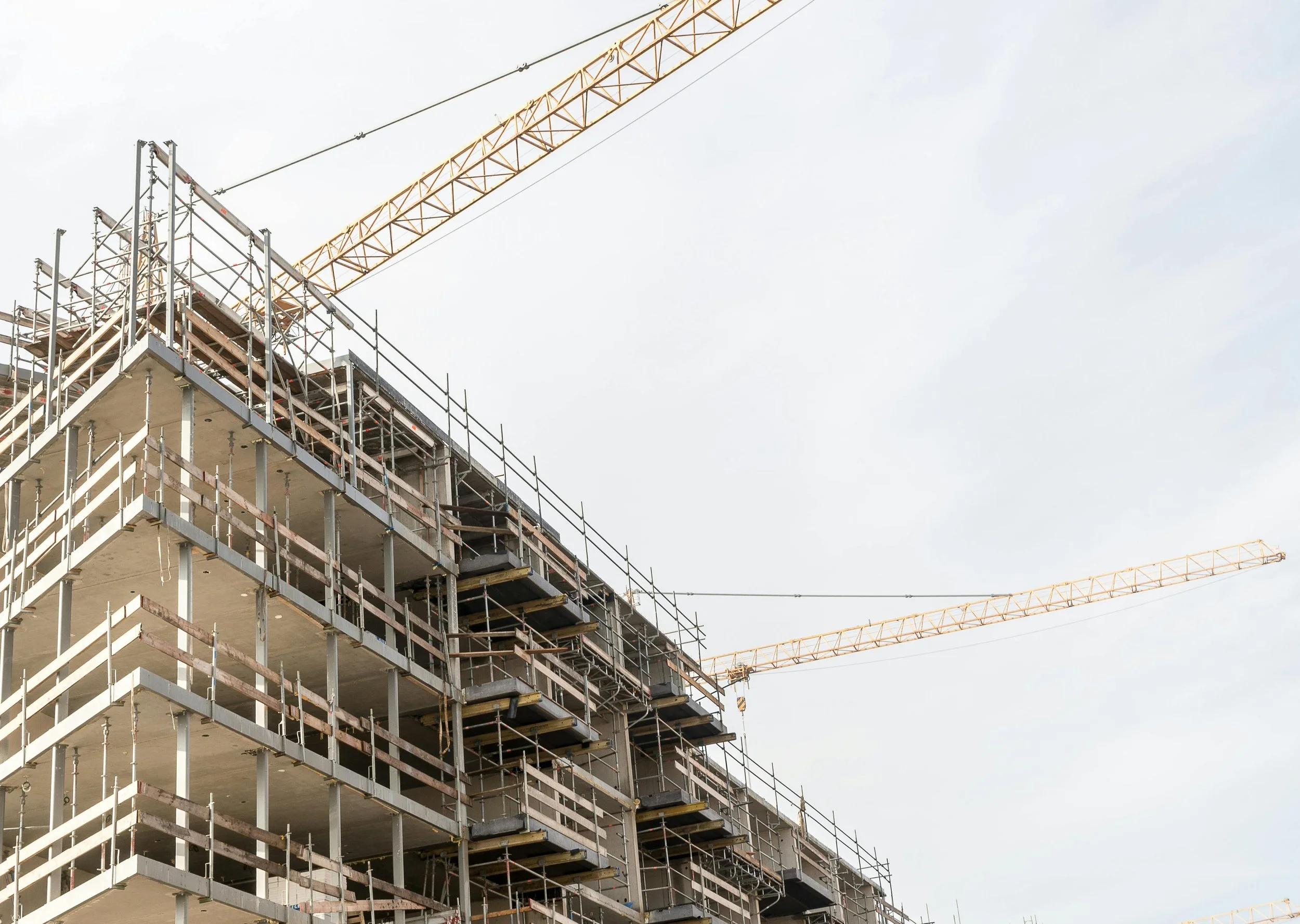
A tower project with crews working across multiple levels, changing access conditions, and limited ground-level convenience.
Break-time access is too far from where the work is happening, which means wasted time going down multiple levels or leaving the active work zone for basic refreshments.
The Smoko-Machine solution:
The Smoko-Machine can be positioned closer to the active work area or site amenities zone, helping keep drinks and snacks accessible without relying on fixed retail infrastructure in a building still under construction.
Less walking, less downtime, better on-site convenience.
Road construction and traffic works
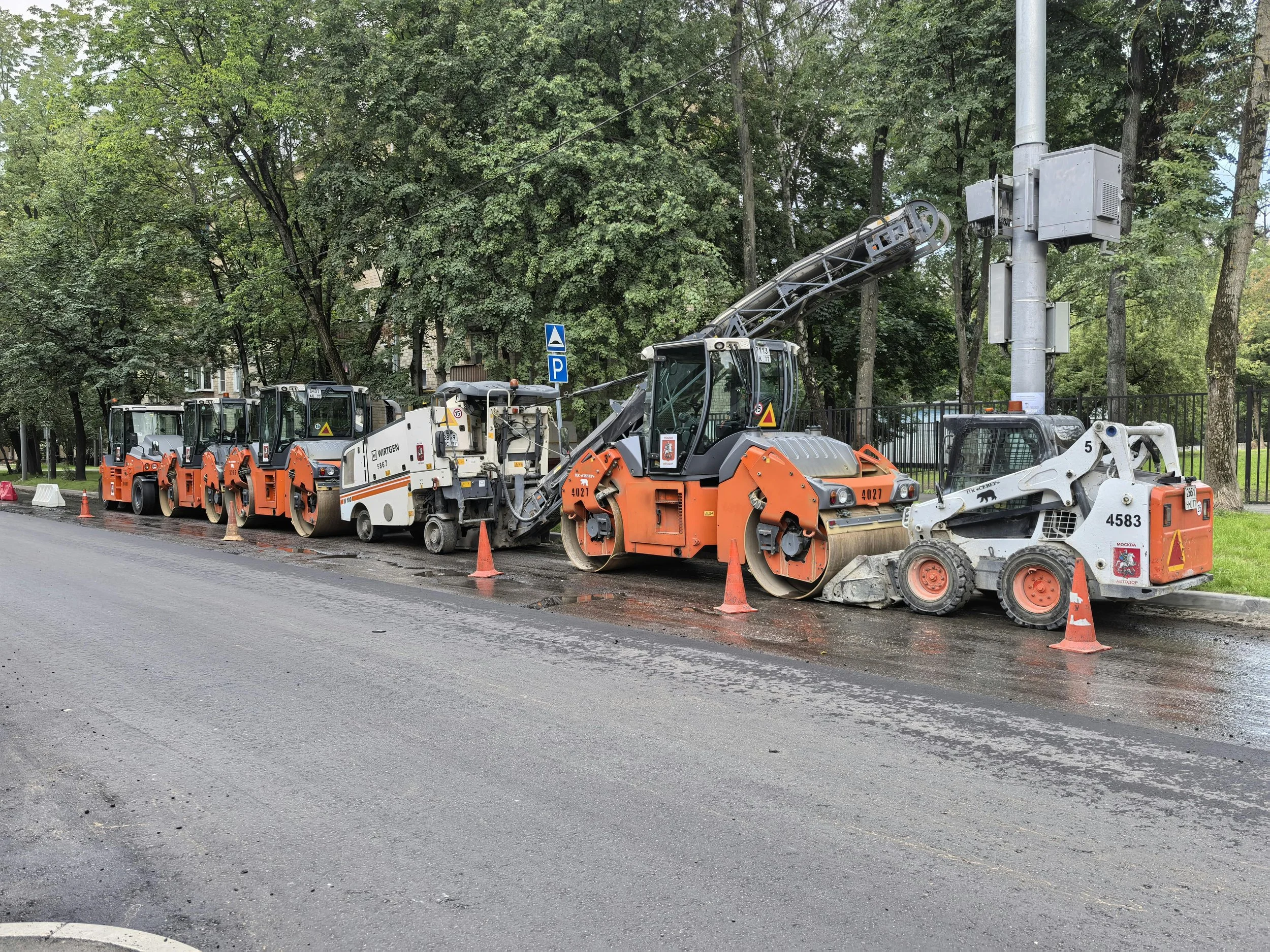
Road widening, resurfacing, kerb and channel, lane closures, night works, and mobile crews are spread across long linear sites.
Road crews often work in exposed conditions across moving work fronts, where nearby retail is unreliable and fixed amenities are difficult to place.
The Smoko-Machine solution:
Because it is designed as a portable vending platform, Smoko-Machine can support temporary compounds, staging areas, and shifting work zones more effectively than static machine placement.
Built for works that move.
Events and temporary venues
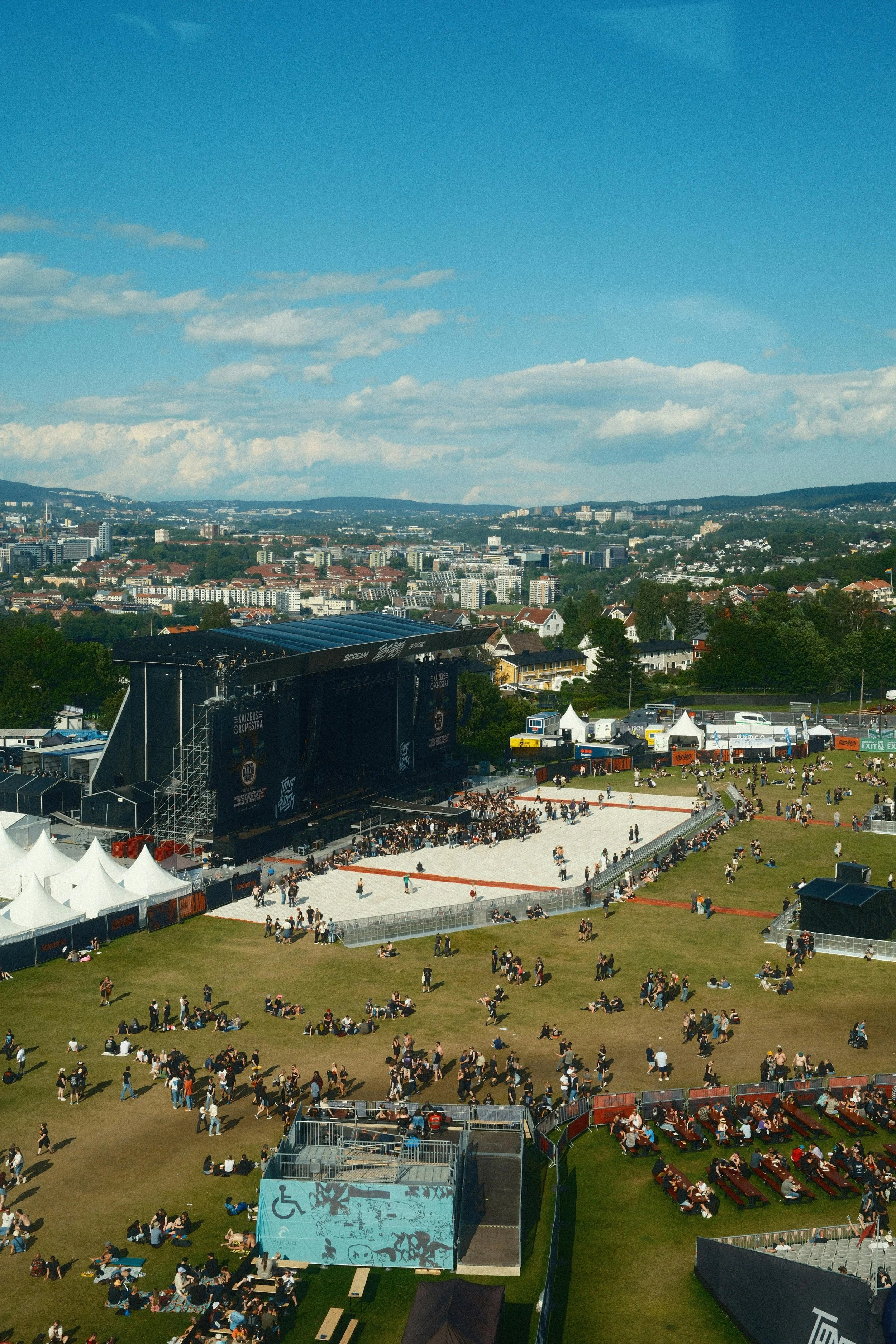
Festivals, sports days, pop-up activations, temporary compounds, and crowd-based venues with short-term demand peaks.
Demand is real, but the site is temporary, which makes permanent vending infrastructure difficult to justify financially or operationally.
The Smoko-Machine solution:
Smoko-Machine can help trial vending demand in temporary high-footfall locations before anyone commits to a permanent fit-out or long-term install.
Pop-up cold access without permanent infrastructure.
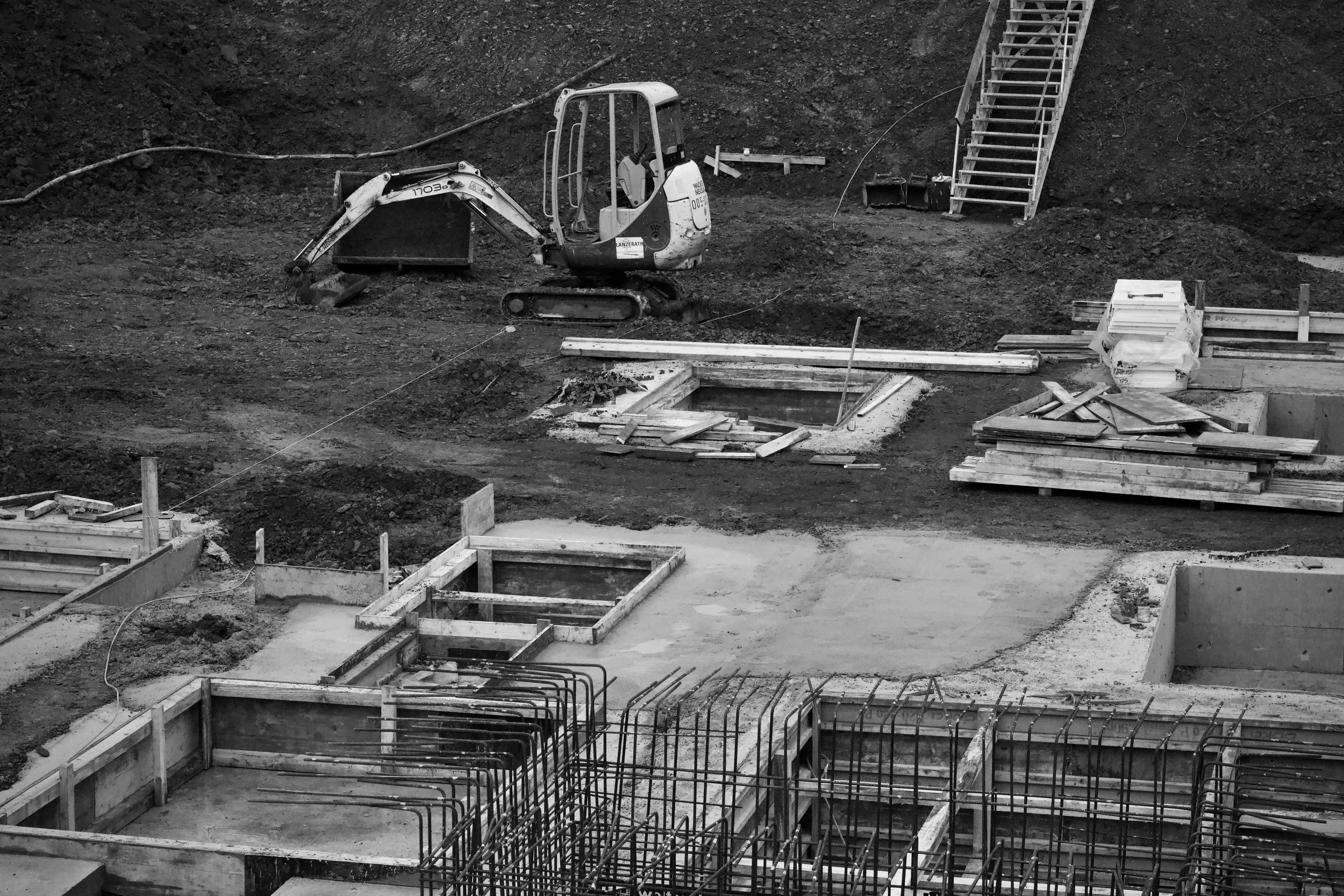
Deep excavation, basement retention, dewatering works, or early-stage structural activity with temporary access routes and fast-changing site layouts.
At this stage of a project, infrastructure is incomplete, site conditions are rough, and permanent vending placement usually makes no sense, even though crews are already on site and working long shifts.
The Smoko-Machine solution:
A mobile refrigerated vending unit offers a practical way to introduce an amenity early in the project lifecycle, even before permanent facilities are established.
Convenience that arrives before the building does.
Civil and greenfield subdivision works
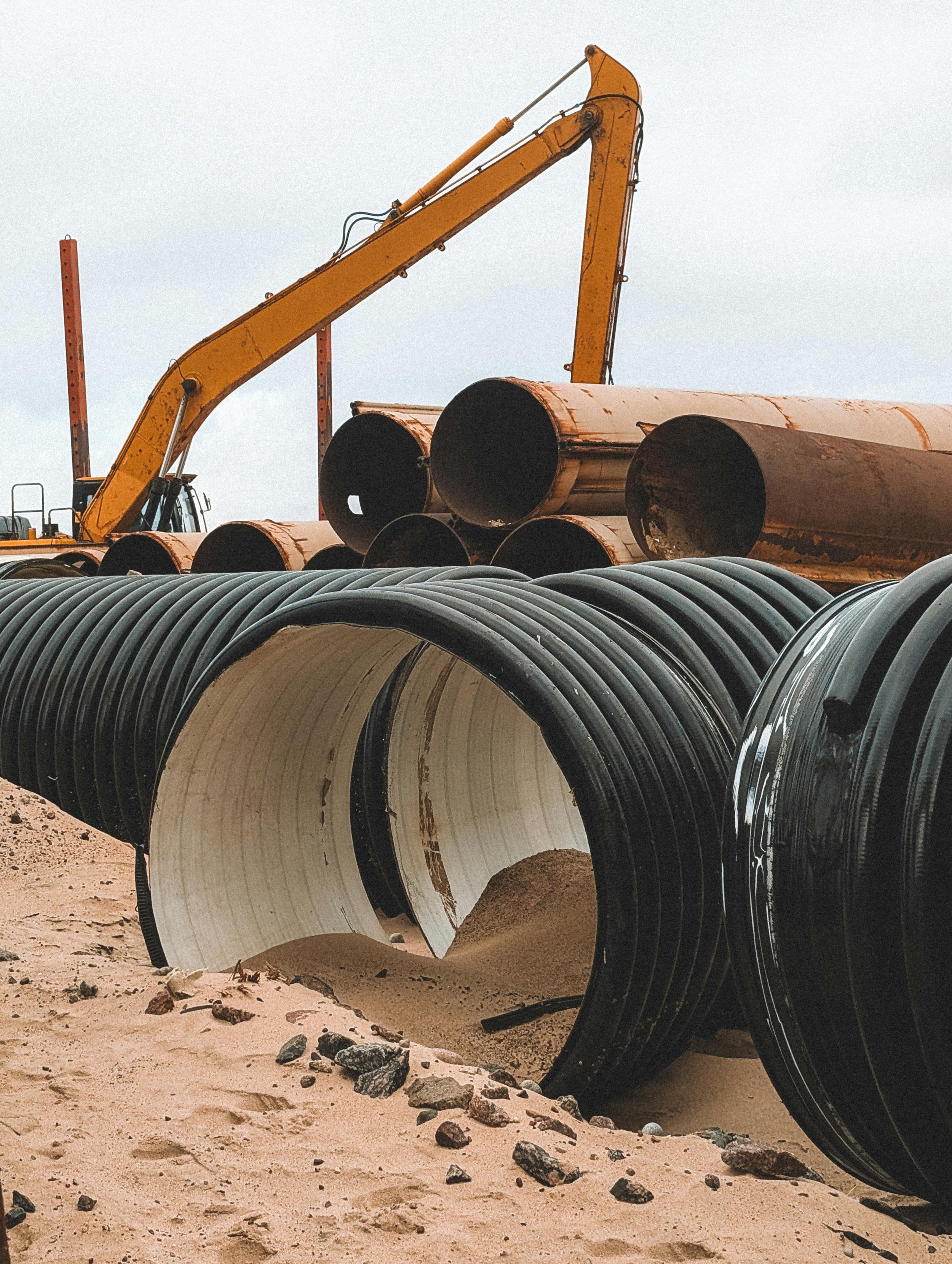
Bulk earthworks, services installation, drainage, pavement prep, and subdivision delivery on large open sites.
Crews may be working on broad, dusty sites with limited nearby services, especially in early-stage development areas where retail access is minimal.
The Smoko-Machine solution:
Smoko-Machine helps bring refreshments closer to the actual work zone, improving access to cold drinks and snacks without waiting for the surrounding precinct to be fully developed.
Useful from first cut to final handover.
Excavation and basement works
Slab pours and programmed concrete works
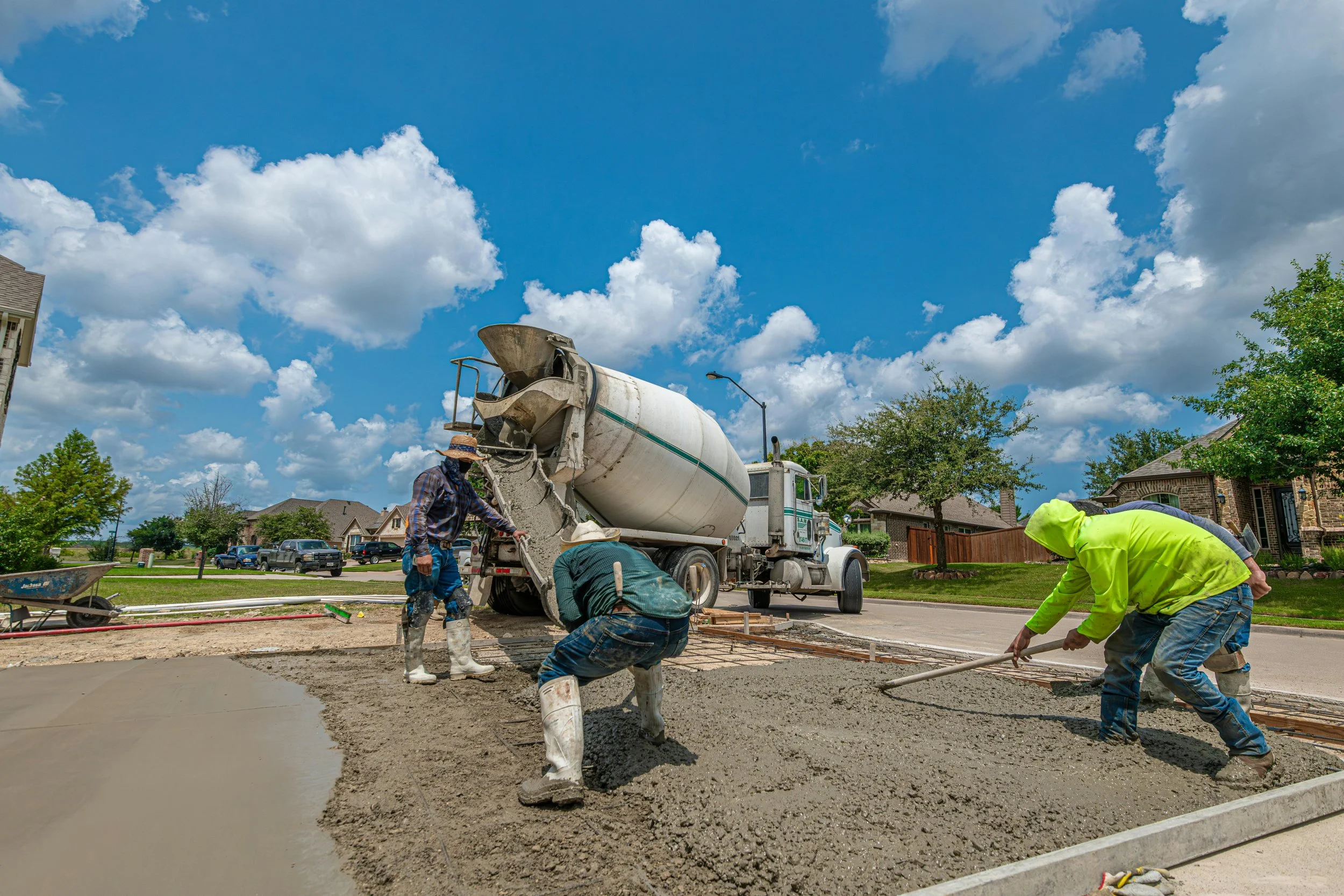
Large slab pours, suspended deck pours, pump setups, finishing crews, and time-critical concrete programs.
These shifts are tightly programmed, labour-intensive, and often run around weather, access windows, and concrete timing, leaving little room for workers to leave the area for food or drinks.
The Smoko-Machine solution:
Smoko-Machine brings cold-stock access closer to the pour zone or designated crib area, supporting faster break turnaround during high-intensity program windows.
A practical amenity for high-pressure shifts.
Remote or infrastructure projects
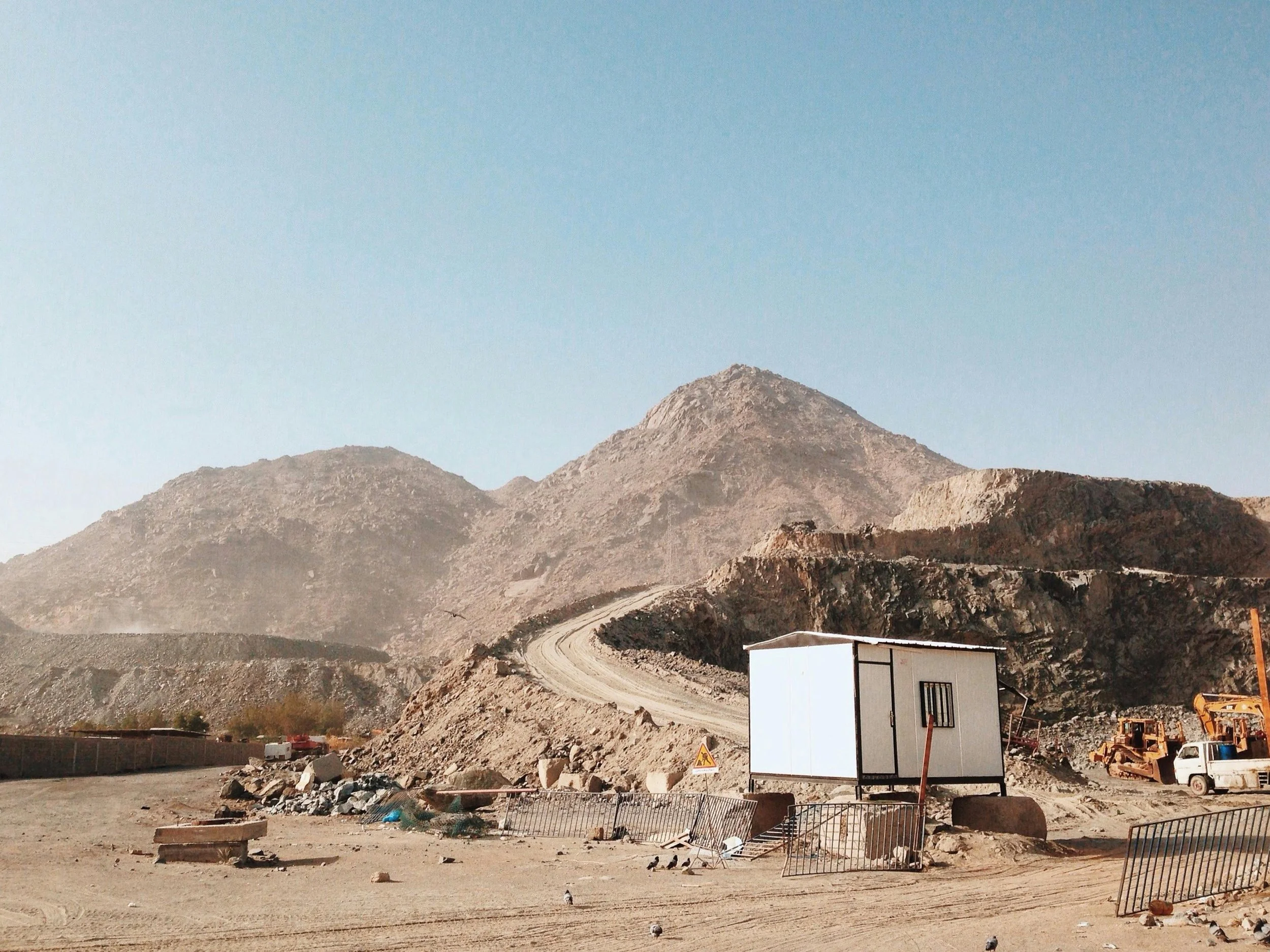
Pipeline jobs, utilities works, rail possessions, shutdowns, regional compounds, and remote project staging areas.
Remote and infrastructure-heavy jobs often have long shifts, limited nearby amenities, and a workforce that depends on practical on-site support to stay productive and comfortable.
The Smoko-Machine solution:
A battery-powered refrigerated vending concept gives these sites a more flexible way to provide convenience access where traditional vending is hard to deploy or service.
A site amenity model built for infrastructure-light environments.
If your site has hungry and thirsty people with limited convenience access, it may be a fit for Smoko-Machine.
We’re currently seeking pilot-site conversations with developers, contractors, site managers, and operators who can help validate the next stage of deployment.
Prototype
Smoko-Machine is currently at an early development stage. While a full physical prototype has not yet been built, the concept is already being shaped through engineering assumptions, performance modelling, use-case analysis, and practical design thinking focused on real deployment conditions.
What are we testing?
The current development phase is centred on the technical and commercial questions that matter most before physical fabrication begins.
How long can a refrigerated vending unit operate on battery power under different ambient temperatures?
How does battery type affect runtime, swap frequency, and operating practicality?
What insulation materials and cabinet design strategies best preserve cold while minimising energy draw?
What refrigeration architecture is most suitable for mobility, rugged handling, and hot Australian site conditions?
What design trade-offs exist between capacity, mobility, runtime, and commercial usefulness?
Core design priorities
The prototype program is being shaped around a small number of practical design priorities that are central to whether Smoko-Machine can succeed on site.
Runtime — maximise refrigeration time between battery swaps in high ambient conditions.
Thermal efficiency — reduce cooling losses through insulation, layout, and access design.
Mobility — support deployment in temporary, rough, and changing site conditions.
Rugged refrigeration — select cooling hardware that can tolerate handling, vibration, dust, and off-level movement.
Commercial practicality — balance runtime, machine size, product volume, and operational simplicity.
Performance modelling and early engineering analysis
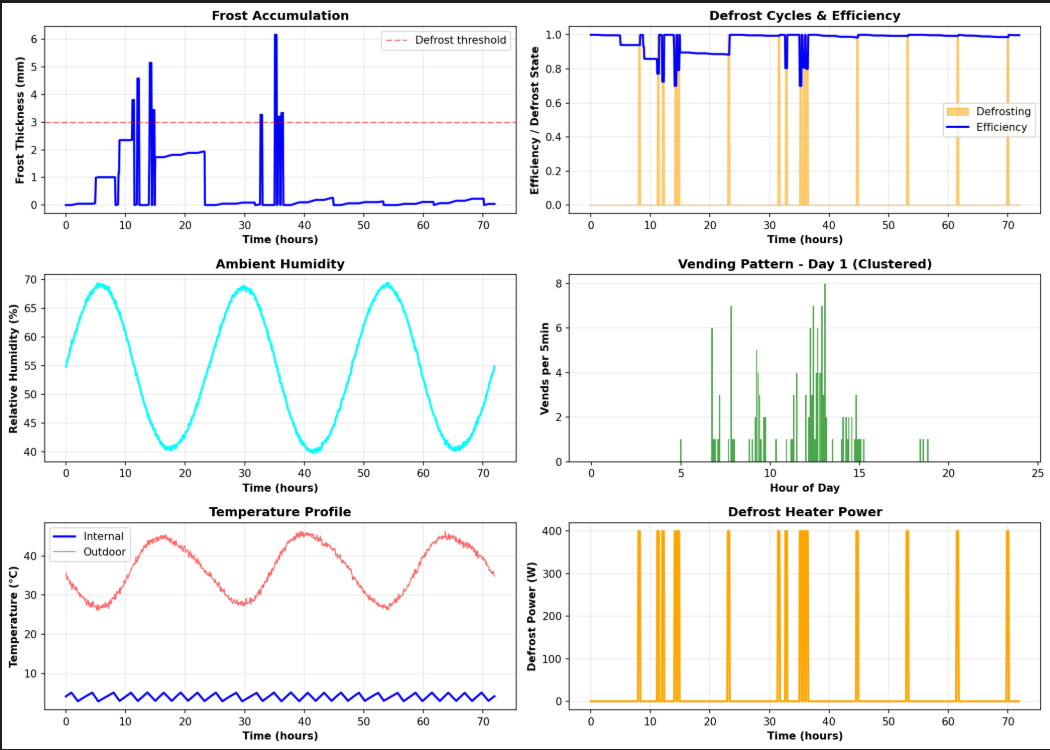
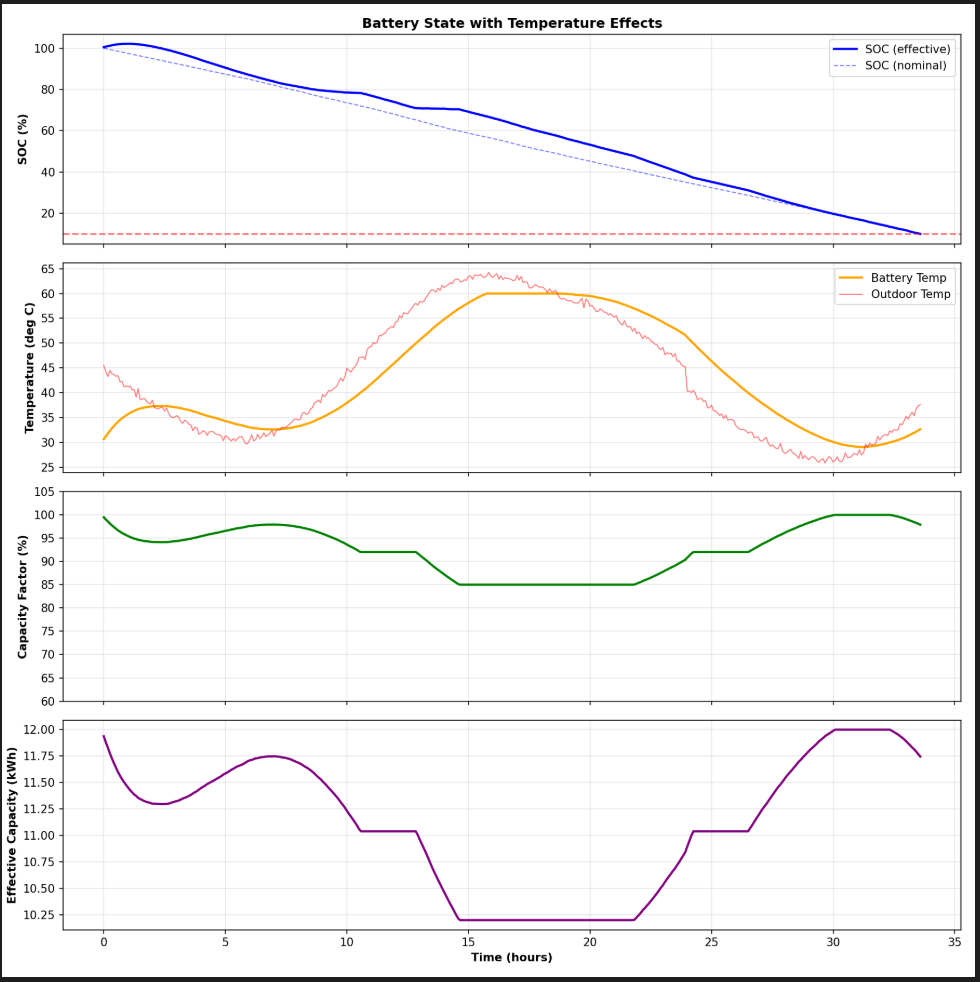
To support concept development, Smoko-Machine is being explored through early-stage performance modelling. Current Python-based models are being used to test how battery life may vary under different operating conditions, including changes in ambient temperature, insulation type, cabinet assumptions, and battery configuration.
Our simulations are helping us assess:
Battery runtime across temperature scenarios
Insulation impact on thermal retention
Battery chemistry comparison assumptions
Cabinet size versus cooling demand
Swap interval implications for site use
These results are part of early concept modelling and are intended to guide prototype development
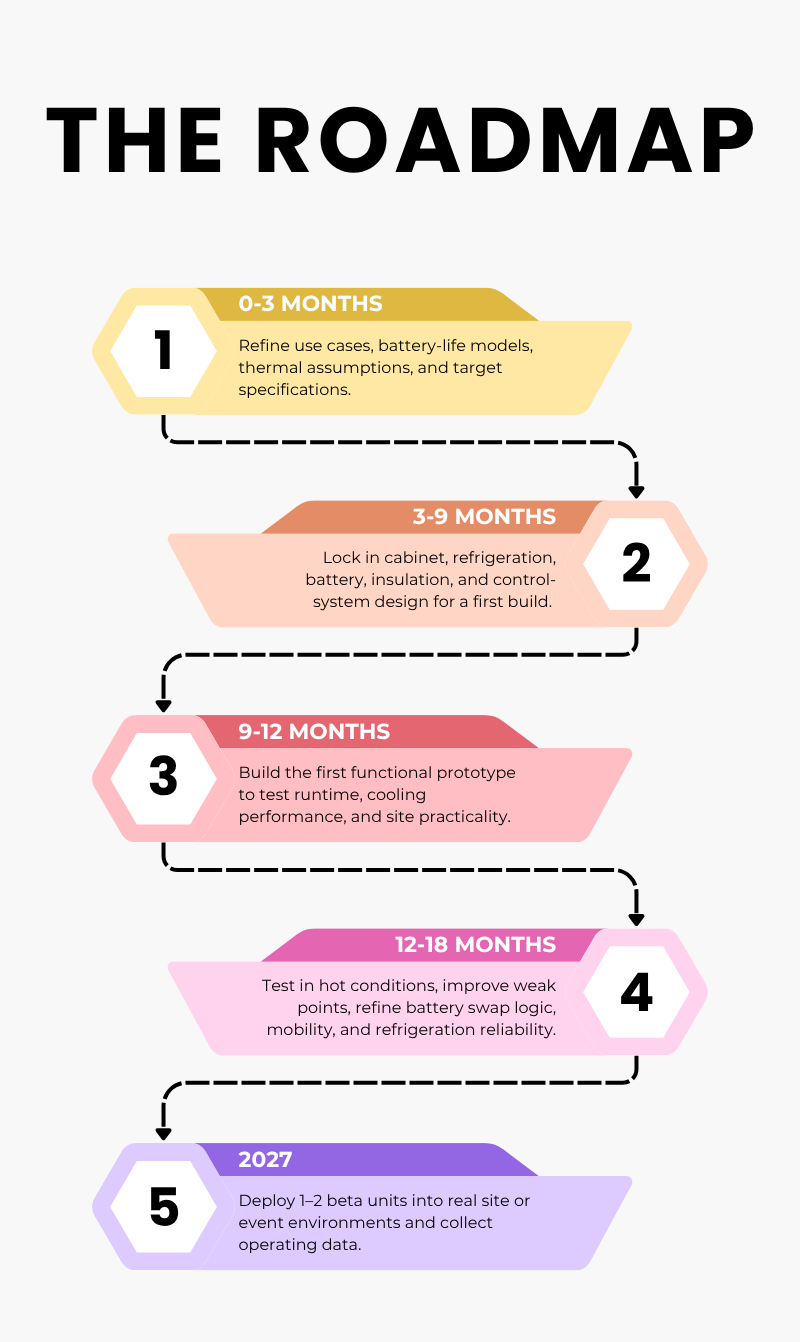
Next development steps
Help shape the next prototype stage
Smoko-Machine is currently seeking conversations with developers, contractors, site partners, technical collaborators, and early investors who can help pressure-test the concept and support the next stage of development. At this stage, practical feedback and access to real operating contexts are as valuable as capital.
Investors
A portable vending platform built for sites where fixed machines struggle to serve.
Smoko-Machine is an early-stage refrigerated vending concept designed for temporary, high-footfall, and infrastructure-light environments such as construction sites, civil works, events, and remote sites. The opportunity is to develop a more flexible vending model for locations where demand exists, but permanent vending installation is difficult, slow, or commercially inefficient.
Traditional vending works best in stable, permanent environments. Smoko-Machine is aimed at a different category of demand: places where people still need convenient access to cold drinks, snacks, and essentials, but where site conditions, mobility, timing, or lack of infrastructure create a gap that fixed machines do not easily solve.
Real demand in temporary and mobile environments.
Limited fit with standard fixed-site vending models.
Opportunity to validate a flexible deployment model before scale.
Why Now?
Smoko-Machine is being explored at a time when several enabling technologies are making a mobile refrigerated vending concept more realistic than in the past. Improvements in battery systems, insulation performance, compact refrigeration hardware, and smart energy management create a clearer pathway toward a practical off-grid or low-infrastructure vending solution.
Early validation work?
Although Smoko-Machine is still pre-prototype, the concept is already being developed through structured technical and commercial validation. Current work includes Python-based modelling of battery life and refrigeration runtime under different temperatures, insulation assumptions, cabinet sizes, and battery configurations, as well as use-case development focused on real operating environments.
Commercialisation
The commercial case for Smoko-Machine is built around a simple premise: high-use temporary environments still generate repeat refreshment demand, but existing vending solutions are better suited to permanent placement. If validated, a mobile refrigerated vending platform could open a pathway to service construction, civil, event, and activation environments with more flexibility than traditional machines.
Revenue Streams
Direct retail vending sales.
Direct machine sales to operators or partners.
Lease or managed placement model.
Revenue-share deployments.
Use of Funds
Technical design and engineering
Translate current runtime and thermal models into detailed mechanical, electrical, and refrigeration designs.
Select and size key components: DC compressor, condenser and evaporator package, insulation system, battery chemistry and capacity, BMS, and control electronics.
Run design reviews focused on safety, serviceability, and rugged handling on worksites.
First functional prototype build
Fabricate a full-scale, working prototype including cabinet, chassis, insulation stack, refrigeration module, and battery bay.
Integrate controls for temperature management, battery monitoring, and safe start/stop logic after movement.
Instrument the unit with sensors (temperature, energy use, cycle times) to generate reliable performance data.
Performance and durability testing
Test runtime across a range of ambient temperatures and usage patterns to validate the battery and insulation assumptions.
Assess behaviour under vibration, tilt, and site handling scenarios typical of construction and civil environments.
Iterate on weak points (e.g. door seals, airflow, compressor mounting, battery access) before any pilot deployment.
Pilot preparation and deployment
Build one or more refined units suitable for limited on-site pilots with early partners.
Support installation, monitoring, and data collection on real worksites or event locations.
Capture quantitative results (runtime between swaps, temperature stability, usage patterns) and qualitative feedback (site manager and worker experience).
Compliance, manufacturability, and next-stage planning
Engage with specialists to understand relevant electrical, refrigeration, and safety standards and factor them into the design.
Work with fabricators and suppliers to estimate realistic BOM and assembly costs for small production runs.
Prepare a clearer pre-seed/seed plan based on tested performance, pilot learnings, and a defensible cost structure.
Investment at this stage is intended to turn Smoko-Machine from a well-defined concept into a tested, pilot-ready hardware prototype. Funds will be allocated to disciplined engineering design, physical prototyping, performance testing, and real-site validation rather than broad marketing or premature scaling.
Contact
Smoko-Machine is currently seeking conversations with angel investors, early-stage backers, strategic partners, and operators interested in the future of flexible, site-ready refrigerated vending. The investor brief outlines the concept, validation work to date, early roadmap, and the next funding priorities.
Your Questions, Answered
-
Smoko‑Machine is an early-stage concept for a portable, battery‑powered refrigerated vending unit designed for worksites, civil projects, events, and other temporary or infrastructure‑light locations where traditional fixed vending is hard to deploy.
-
A full physical prototype has not been built yet. Current work is focused on engineering design, battery‑life and thermal modelling, and concept development so that the first prototype is driven by realistic assumptions rather than guesswork.
-
That’s one of the key questions the project is designed to answer. Early modelling explores different battery types, insulation approaches, cabinet sizes, and ambient temperatures to identify a realistic runtime target before committing to hardware.
-
Initial focus is on construction and civil sites, road and rail works, temporary depots, events and festivals, and early‑stage developments where crews or crowds are present but permanent vending or retail is not.
-
Conventional machines assume a fixed location with stable power and access. Smoko‑Machine is being designed around mobility, battery operation, rugged handling, and the ability to move with the work or event rather than stay bolted to one spot.
-
The concept is aimed at developers, contractors, site managers, venue and event operators, and investors interested in new ways to provide cold refreshments and convenience in temporary or hard‑to‑service locations.
-
Smoko‑Machine is at an early concept and validation stage: use‑case development, runtime and thermal modelling, and design thinking. The next major step is funding and partnering to build and test the first functional prototype.
-
We’re seeking sites with real‑world demand and the ability to support a trial: access to a suitable location, basic operational constraints (space, safety, hours), and willingness to share feedback and performance data.
-
At this point we’re interested in investors who are comfortable with hardware and early-stage risk, and who can help fund and advise the move from models to a working prototype and pilot deployments.
-
The commercial model will be tested during pilots, but potential approaches include direct machine sales, leasing, site amenity contracts, and revenue‑share arrangements with site operators or partners.
-
If you operate or develop sites that might suit a pilot, or if you’re exploring early‑stage investment opportunities, the best next step is to reach out via the pilot‑site or investor enquiry forms to start a conversation.